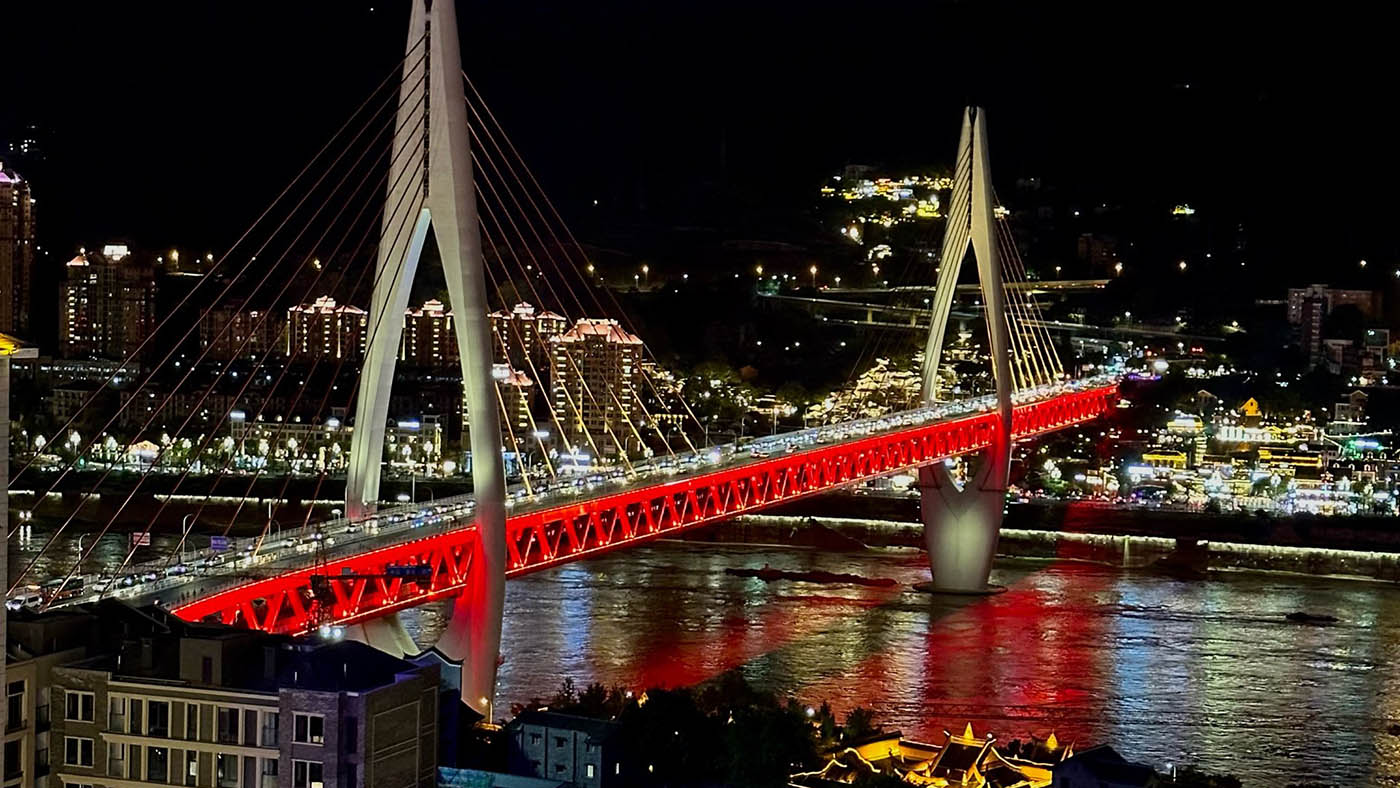
As the Yangtze and Jialing rivers intersect, a metropolis shaped by vertiginous hills and dense clusters of high-rises lights up the night sky in surreal colours. Chongqing looms large as China’s so-called cyberpunk city, where the past and future intermingle in the dizzying warren of alleyways, stilted houses, neon-lit bridges, and soaring monorails, while the spicy aroma of mala cuisine fills the air. Adventure often begins here with the feeling of stepping directly into a science-fiction movie set, yet this city's heart remains rooted in centuries-old traditions, teahouses, and street markets.
Chongqing stands out from other Chinese megacities for its dramatic cityscape. Buildings stacked along steep slopes and layered roads rising into the fog, especially after rainfall, create an urban experience unlike any other. This dynamic topography plays a role not just in the skyline, but also in the daily encounters: climbing endless staircases, riding elevators to cross city blocks, or catching vertiginous glimpses of mist-covered rooftops. A place both monumental and intimate, where life bustles in the shadows of glass towers and along riverside lanes, offering a sensory feast for curious travellers.
Top Places to See & Things to do in Chongqing
From ancient villages to futuristic skylines, Chongqing is a city that never sleeps—its sights and nightlife are seamlessly intertwined, offering a sensory feast from sunrise to well past midnight. Here’s how each attraction suits different types of travellers, what you can experience, and some fun facts to make your journey even more memorable.
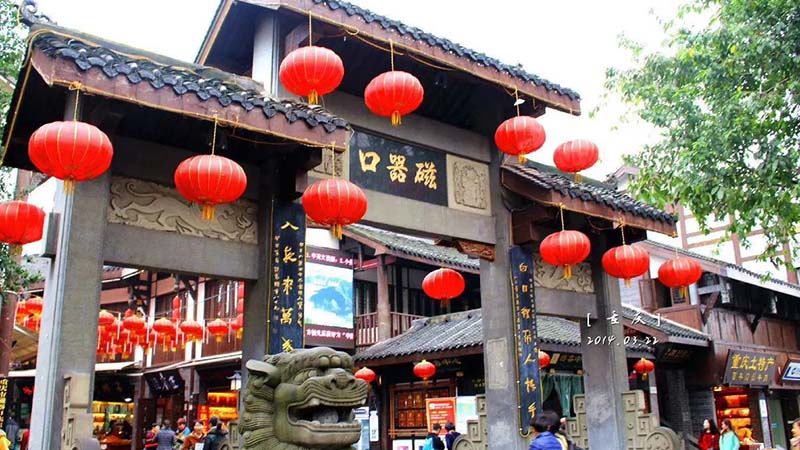
Ci Qi Kou (Porcelain Village)
Best for: Couples, families, solo travellers, culture lovers Experience: Wander cobbled lanes, sip tea in historic teahouses, watch Sichuan opera, shop for porcelain and handicrafts, and sample street snacks. Admission: Free (some teahouses or performances may charge a small fee, usually under ¥50) Fun Fact: Ci Qi Kou dates back over 1,700 years and was once a major port for porcelain trading. The area is famous for its spicy tofu pudding and hand-painted ceramics.
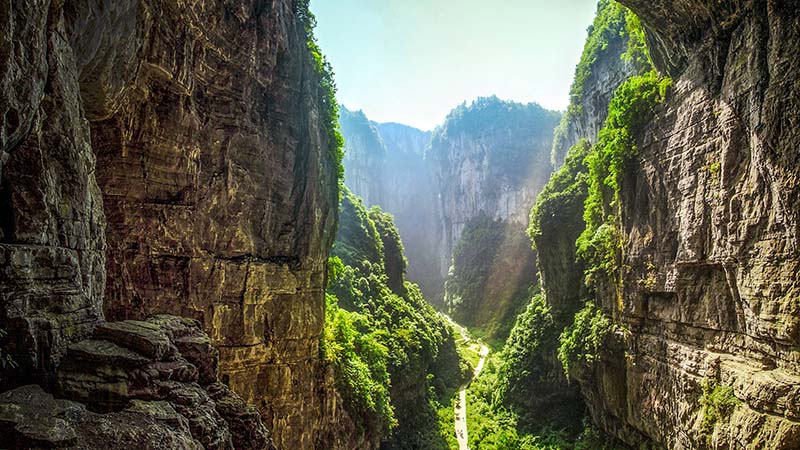
Wulong Karst National Geology Park
Best for: Families with older kids, adventure seekers, photographers, nature lovers Experience: Hike through UNESCO-listed limestone bridges, explore vast caves, and marvel at natural stone arches. Guided tours are available for deeper exploration. Admission: Approx. ¥135–¥150 per adult (discounts for children and students) Fun Fact: The park’s Three Natural Bridges were featured in the movie “Transformers: Age of Extinction.” The caves here are among the largest in Asia.
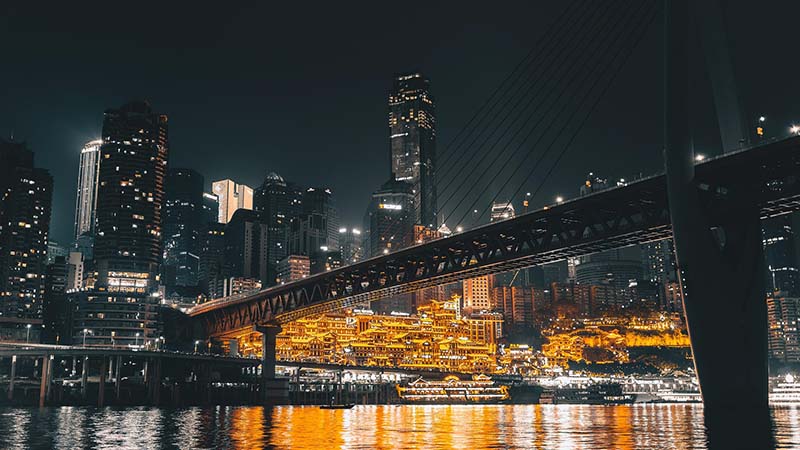
Hongya Cave (Hongyadong): Day and Night
Best for: Couples, solo travellers, foodies, night owls, photographers Experience: Browse quirky shops, try local street food, enjoy riverside cafés, and capture dazzling neon-lit night views. Admission: Free to enter; food and souvenirs are extra Fun Fact: Hongya Cave’s architecture is inspired by traditional Bayu stilt houses. At night, the illuminated façade is often compared to scenes from the movie “Spirited Away.”
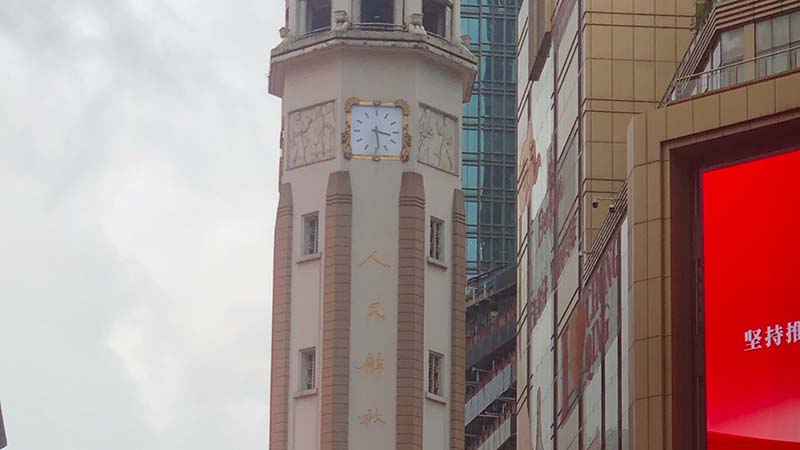
Jiefangbei District & Nanbin Road
Best for: Everyone—families, couples, solo travellers, shopaholics, nightlife enthusiasts Experience: Shop international brands at Jiefangbei, watch street performers, enjoy live music, and experience vibrant nightlife with bars and light shows. Admission: Free to explore; entertainment and shopping costs vary Fun Fact: Jiefangbei is home to the People’s Liberation Monument, one of the only monuments in China dedicated to the country’s victory in WWII. Nanbin Road is famous for its panoramic views of the city skyline.
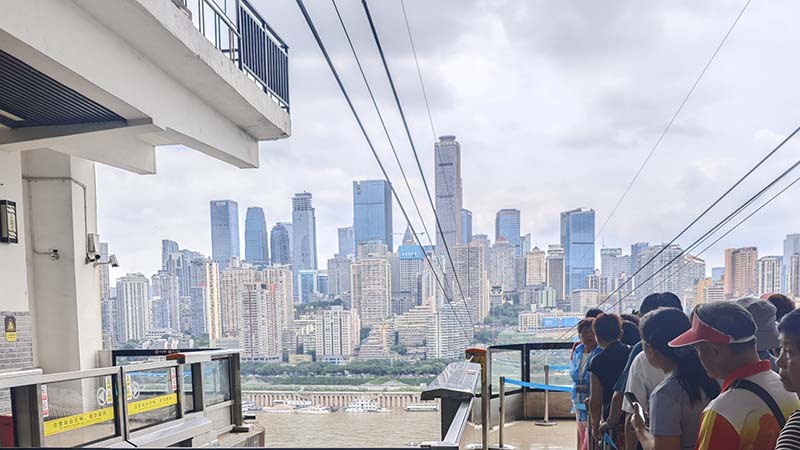
Yangtze River Cableway & Night Cruise
Best for: Couples, families, solo travellers, first-time visitors Experience: Glide above the Yangtze River for breathtaking city views, or take a night cruise to see Chongqing’s illuminated skyline and layered bridges. Admission:
-
Cableway: ¥20 one-way, ¥30 round-trip
-
Night cruise: ¥80–¥150 per person, depending on the boat and duration Fun Fact: The cableway is nicknamed “the air bus” by locals and is one of the few urban cableways in the world that crosses a major river.
Liziba Monorail Station: The Train Through the Building
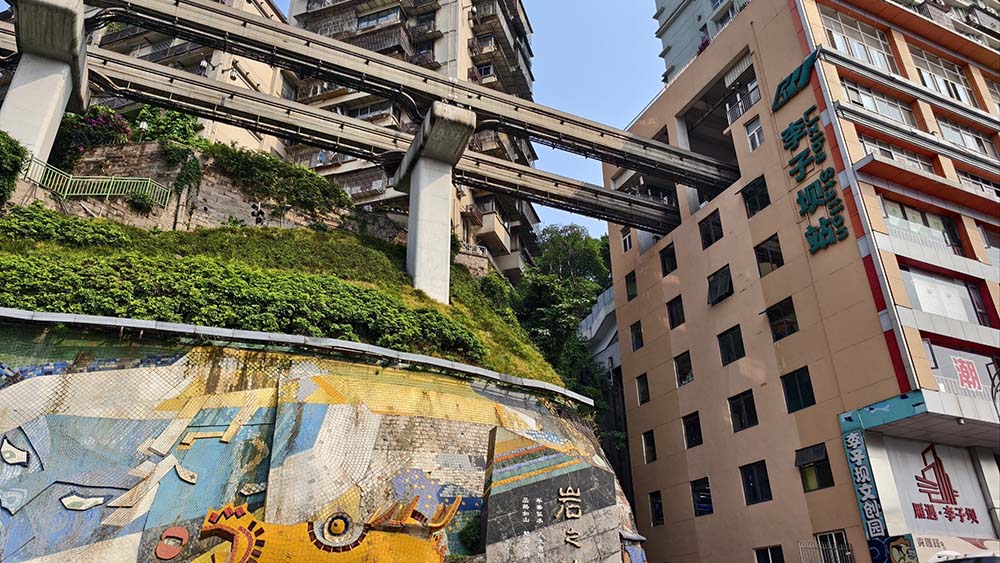
Best for: Families with kids, photographers, urban explorers, architecture fans Experience: Watch the light rail train pass straight through a residential building from a dedicated viewing platform—an iconic Chongqing photo spot. Admission: Free to watch; monorail fare is ¥2–¥6 depending on distance Fun Fact: The Liziba Monorail has become a viral sensation, with videos of the train gliding through the building attracting millions of views worldwide. Residents say the train is so quiet, they barely notice it passing through their homes!
|
Place |
Vibe |
Best For |
Highlights |
Admission |
Fun Fact |
|
Ci Qi Kou |
Historic, traditional |
Couples, families, solo |
Teahouses, handicrafts, opera |
Free (some activities ¥) |
1,700+ years old, porcelain hub |
|
Wulong Karst |
Breathtaking, natural |
Families, adventurers |
Stone bridges, caves, hiking |
¥135–¥150 |
Featured in “Transformers” |
|
Hongya Cave |
Futuristic, cyberpunk |
Couples, solo, foodies |
Neon, food markets, night views |
Free (food ¥) |
Inspired “Spirited Away” scenes |
|
Jiefangbei & Nanbin Road |
Lively, nightlife |
Everyone |
Shopping, bars, music, lights |
Free (shopping/entertainment ¥) |
WWII monument, skyline views |
|
Yangtze Cableway & Cruise |
Thrilling, panoramic |
Couples, families, solo |
City views, river, urban scale |
¥20–¥150 |
“Air bus” over the Yangtze |
|
Liziba Monorail Station |
Surreal, innovative |
Families, photographers |
Train through building, photos |
Free (monorail ¥2–¥6) |
Viral sensation, ultra-quiet |
No matter your travel style, Chongqing’s attractions promise unforgettable experiences—whether you’re seeking romance, adventure, family fun, or a taste of the city’s legendary urban creativity.
Food to Make Your Mouth Tingle
Chongqing’s culinary scene is as bold and unforgettable as its skyline, renowned for its intense, spicy, and numbing flavors. The city’s cuisine is dominated by the famous mala (麻辣) profile—a fiery combination of Sichuan peppercorns that create a tingling, numbing sensation, and dried chili peppers that bring the heat. Expect vibrant aromas, deep umami, and a communal dining culture that turns every meal into an experience.
What’s the Food Flavor Like in Chongqing?
-
Spicy and Numbing: The signature mala flavor is everywhere, from hot pot to noodles and street snacks.
-
Savory and Aromatic: Garlic, ginger, fermented bean paste, and spring onions add layers of depth.
-
Bold and Intense: Dishes are rarely subtle—Chongqing food is designed to wake up your senses and bring people together.
Most Popular Food Visitors Want to Try
-
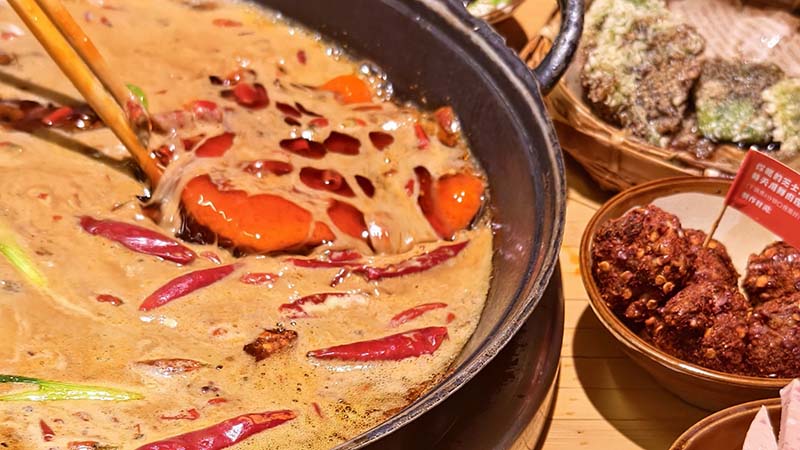
Chongqing Hot Pot: The undisputed star. Visitors flock to try the bubbling cauldrons of spicy, numbing broth, cooking everything from thinly sliced beef to lotus root and tofu. It’s a must-try for anyone wanting the true Chongqing experience.
-
Xiao Mian (Small Noodles): These spicy, aromatic noodles are a local breakfast staple and a favorite late-night snack.
-
Grilled Fish (Kao Yu): Whole fish, marinated and grilled with chilies and herbs, often served sizzling at your table.
-
Spicy Skewers (Chuan Chuan): Meat and vegetables skewered and cooked in a spicy broth or grilled over open flames.
Recommendations for Tourists Who Can’t Have Spicy Food
While Chongqing is famous for its heat, there are plenty of delicious options for those who prefer milder flavors:
-
White Broth Hot Pot (Yuan Yang Guo): Many hot pot restaurants offer a divided pot with one side spicy and the other mild, featuring a savory, herbal broth without chilies.
-
Steamed or Braised Dishes: Look for steamed fish, braised pork, or chicken with mushrooms—these are often seasoned with soy, ginger, and garlic rather than chili.
-
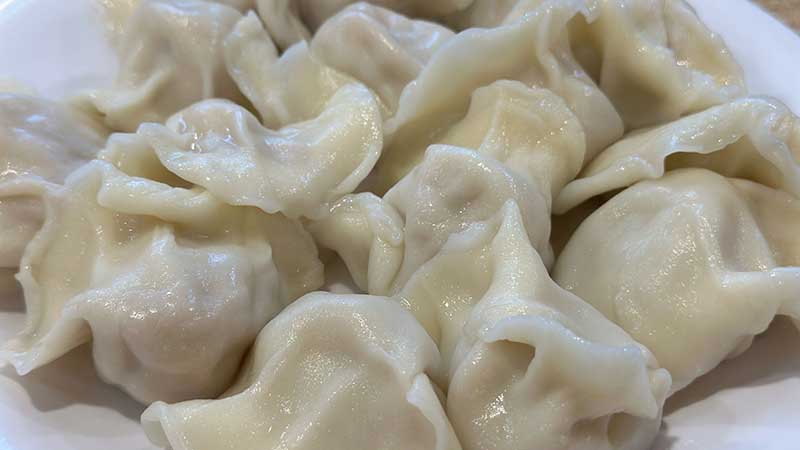
Dumplings and Baozi: Steamed buns and dumplings filled with pork, vegetables, or sweet bean paste are widely available and usually not spicy.
-
Sweet Snacks: Try sticky rice cakes, sweet potato balls, or sesame pastries from street vendors for a gentle, flavorful treat.
If you’re sensitive to spice, simply tell your server “bu la” (不辣), which means “not spicy,” and most restaurants will do their best to accommodate you.
No matter your spice tolerance, Chongqing’s food scene offers something for everyone—bold, communal, and always memorable.
How To Get There And Where To Stay
Chongqing sits at the crossroads of southwest China. The transport system is extensive and efficient.
-
Chongqing Jiangbei International Airport (CKG): Connects to nearly every Chinese metropolis and destinations across Asia.
-
High-speed rail: Multiple daily trains link Chengdu, Xi’an, and more for effortless onward travel.
-
Metro: Once in Chongqing, the city’s fast-growing subway network and elevated monorails make it simple to hop between districts, even across rivers.
Accommodation is as varied as the cityscape itself. Upscale hotels line the riverbanks, ideal if you want city lights outside your window. Boutique stays are found in Ci Qi Kou and older urban suburbs, offering a quieter retreat or a doorway into the city’s gentler side. More adventurous visitors might choose a hostel or guesthouse tucked into the hillside neighbourhoods.
Weather, Terrain and Travel Tips
Chongqing’s subtropical climate supports lush greenery but also brings humidity and bouts of rain.
-
Best time to visit: Spring (March-May) and autumn (September-November) are mild and pleasant.
-
Be prepared for the hills. Good walking shoes are a must, as are light, breathable clothes.
-
Staircases abound. Many streets are only accessible on foot; elevators and cableways can help bridge the steepest climbs.
-
Pack for night streets. The city’s after-dark scene is legendary, so bring a camera and tripod if photography is your thing.
Table: Packing Tips for Chongqing
|
Item |
Reason |
|
Walking shoes |
Steep hills, endless staircases |
|
Lightweight jacket |
Humidity and occasional rain |
|
Camera |
Capturing city lights/night scenes |
|
Reusable umbrella |
Sudden rainstorms |
|
Appetite |
Outstanding street food and hot pot |
Sampling Hidden Neighbourhoods and Local Experts
Beyond the highlights, there is plenty more to absorb. Smaller communities, historic temples ornamented in incense smoke, locals playing mahjong in riverfront parks, and clusters of artists selling sketches along alleyways. Those who have connected with passionate guides, such as those from Three Bears Travel, often find themselves welcomed into lanes and homes untouched by typical tourism, hearing stories of wartime tunnels and family hot pot recipes.
Every day in Chongqing feels a little different. Whether you’re looking up at the looming towers or catching your breath while peering down into a tangled web of riverbanks and rooftops, there’s a sense of possibility at every level. From vintage shopfronts and dizzying nightscapes to steamy bowls of noodles and the roll of fog from the hills, Chongqing invites all who arrive to embrace its labyrinthine energy and layers upon layers of life, lit by neon and alive with tradition.
Frequently Asked Questions about Chongqing
Exploring Chongqing is an adventure into a city where the futuristic and the traditional collide, offering travellers a sensory journey unlike anywhere else. Here are answers to some of the most common—and practical—questions, especially those often asked by Australian and New Zealand visitors.
What makes Chongqing a cyberpunk destination?
Chongqing’s cityscape is a living sci-fi film set: skyscrapers rise from steep hillsides, neon lights reflect off the rivers, and elevated monorails snake between glass towers and historic neighbourhoods. The city’s unique topography and layered architecture create a “5D” effect, blending old-world charm with a dazzling, high-tech glow. It’s a photographer’s dream and a must-visit for anyone fascinated by urban innovation.
When is the best time to visit Chongqing?
The best times to visit are March to May and September to November, when temperatures are comfortable and humidity is lower. Summers can be extremely hot and humid, while winters are mild but often foggy. If you’re sensitive to heat, avoid July and August, when temperatures can soar above 35°C.
How many days should you stay in Chongqing?
Most travellers find that 3 to 4 days is the perfect amount of time to experience Chongqing’s highlights. This lets you explore historic districts like Ci Qi Kou, venture out to Wulong Karst National Geology Park, enjoy the city’s vibrant nightlife, and take in unique sights like the Liziba Monorail and a Yangtze River night cruise. If you’re passionate about food, photography, or want to explore the surrounding countryside, consider extending your stay to 5 days for a deeper, more immersive experience.
What makes Chongqing a cyberpunk destination?
Chongqing’s cityscape is a living sci-fi film set: skyscrapers rise from steep hillsides, neon lights reflect off the rivers, and elevated monorails snake between glass towers and historic neighbourhoods. The city’s unique topography and layered architecture create a “5D” effect, blending old-world charm with a dazzling, high-tech glow. It’s a photographer’s dream and a must-visit for anyone fascinated by urban innovation.
When is the best time to visit Chongqing?
The best times to visit are March to May and September to November, when temperatures are comfortable and humidity is lower. Summers can be extremely hot and humid, while winters are mild but often foggy. If you’re sensitive to heat, avoid July and August, when temperatures can soar above 35°C.
What should I try eating in Chongqing?
Chongqing Hot Pot is the city’s culinary icon—spicy, numbing, and deeply communal. Xiao Mian noodles and grilled fish are also must-tries for their bold flavours. Adventurous eaters can explore spicy skewers and street snacks, while those with milder tastes should seek out white broth hot pot, steamed dumplings, and sweet rice cakes.
Are there non-spicy food options available?
Absolutely. While Chongqing is famous for its fiery cuisine, most restaurants offer non-spicy (“bu la”) versions of popular dishes. Look for white broth hot pot, steamed or braised meats, dumplings, and baozi. If you have dietary restrictions or allergies, it’s helpful to have these written in Chinese or use a translation app to communicate with staff.
What should I do if I get sick from eating spicy food or need medicine?
If you experience stomach upset or discomfort from spicy food, pharmacies (药店, yaodian) are widely available in Chongqing’s urban areas. Common remedies like antacids, rehydration salts, and digestive aids can be purchased over the counter. Bring a translation app or ask your hotel staff to write down what you need in Chinese. Major hospitals and international clinics are also accessible in the city centre if you need further medical attention. It’s wise to pack a small medical kit with familiar brands from home, just in case.
How can I get to Chongqing?
Chongqing Jiangbei International Airport (CKG) is the main gateway, with direct flights from major Asian cities and connections across China. High-speed trains link Chongqing with Chengdu, Xi’an, and other urban centres. Taxis and ride-hailing apps like Didi are reliable for airport transfers.
How do I navigate around Chongqing?
Chongqing’s metro and monorail systems are extensive, efficient, and easy to use, with English signage at most stations. The city’s unique geography means you’ll encounter plenty of escalators, elevators, and steep streets—comfortable shoes are a must. For sightseeing, the Yangtze River Cableway and river cruises offer scenic ways to traverse the city.
Chongqing is often called a “5D city(5 Dimension City)” because of its dramatic, multi-layered urban landscape. Buildings, roads, and railways are stacked on different levels, winding around hills and rivers. It’s not uncommon to find a street running above your head while another disappears into a tunnel below. This vertical complexity creates a sense of depth and dimension that makes exploring Chongqing feel like moving through a city built in five dimensions—an experience that’s both thrilling and unforgettable.
What are the must-see attractions in Chongqing?
Don’t miss Ci Qi Kou (Porcelain Village) for history and culture, Wulong Karst National Geology Park for natural wonders, Hongya Cave for cyberpunk vibes, and Liziba Monorail Station for the iconic train-through-building photo. Night cruises on the Yangtze River reveal the city’s illuminated skyline in all its glory.
Is it easy to get by with English in Chongqing?
While English is not widely spoken outside major hotels and tourist attractions, younger locals and hospitality staff often know basic phrases. Translation apps are invaluable, and learning a few simple Mandarin words or phrases will enhance your experience.
Chongqing invites you to embrace its contrasts—towering neon, ancient alleyways, spicy feasts, and tranquil river views. Whether you’re seeking adventure, culture, or culinary thrills, this cyberpunk city promises memories that will last a lifetime.
Want more China travel itineraries? Click here!
If you have any other questions, feel free to click here and get in touch with us.
If you need a personalized travel plan, feel free to click here and let us help you.