Firecrackers snap in the cool night air, paper lanterns glow against wintry streets, and families gather around steaming hotpots and bowls of dumplings. Chinese New Year is a festival that brings together everything people love about travel and culture: colour, ritual, and the simple joy of being with those who matter most. In 2026, the celebration promises a special spark, inviting travellers to experience the rich traditions and vibrant energy that define this iconic holiday.
Chinese New Year 2026: Traditions and Zodiac
Chinese New Year, also known as Spring Festival, is the most important holiday in China. It is a time for honouring ancestors, resetting life’s pace, and welcoming a fresh start with intention. Weeks before the festival, communities across China prepare by cleaning homes, settling debts, and filling markets with mandarins, red couplets, and intricate paper cuttings. The festival is about more than good fortune—it’s about family reunions, respect for heritage, and the renewal of hope.
The Chinese Zodiac: 2026 Year of the Fire Horse
The Chinese zodiac is a 12-animal cycle, each paired with one of five elements. In 2026, the zodiac animal is the Horse, combined with the element of Fire. The Fire Horse is known for its momentum, charisma, and adventurous spirit. This year is expected to be filled with bold moves, creative energy, and a lively festival atmosphere. Horse motifs will appear everywhere, from public art to parade performances, reflecting the year’s themes of independence and spirited action.
If you’re curious about your own sign, Chinese zodiac signs are determined by your birth year, with some nuance for birthdays around Lunar New Year. Locals enjoy discussing personality traits, lucky colours, and predictions for the year ahead, making the zodiac both playful and deeply personal.
The 12 Chinese Zodiac Animals
Each of the twelve zodiac animals represents a year in a repeating cycle and is associated with unique qualities and cultural meanings. Here’s a quick guide to each animal, their corresponding years, and their typical traits:
|
Zodiac Animal |
Recent Years |
Represents |
Typical Traits |
|
Rat |
1984, 1996, 2008, 202 |
Resourcefulness, intelligence |
Quick-witted, adaptable, clever |
|
Ox |
1985, 1997, 2009, 2021 |
Diligence, dependability |
Steady, patient, hardworking |
|
Tiger |
1986, 1998, 201, 2022 |
Courage, power |
Brave, confident, competitive |
|
Rabbit |
1987, 1999, 2011, 2023 |
Elegance, kindness |
Gentle, compassionate, artistic |
|
Dragon |
1988, 200, 2012, 2024 |
Strength, luck |
Ambitious, energetic, charismatic |
|
Snake |
1989, 2001, 2013, 2025 |
Wisdom, intuition |
Insightful, sophisticated, calm |
|
Horse |
199, 2002, 2014, 2026 |
Freedom, energy |
Spirited, independent, adventurous |
|
Goat |
1991, 2003, 2015, 2027 |
Harmony, creativity |
Warm-hearted, artistic, gentle |
|
Monkey |
1992, 2004, 2016, 2028 |
Cleverness, versatility |
Inventive, lively, witty |
|
Rooster |
1993, 2005, 2017, 2029 |
Confidence, punctuality |
Observant, honest, ambitious |
|
Dog |
1994, 2006, 2018, 203 |
Loyalty, protection |
Loyal, sincere, responsible |
|
Pig |
1995, 2007, 2019, 2031 |
Generosity, joy |
Generous, optimistic, easygoing |
Each animal is believed to influence the personality and destiny of people born in its year. During Chinese New Year, families often celebrate the qualities of the year’s animal, exchange well-wishes based on these traits, and decorate with symbols that bring out the best of each sign. In 2026, expect to see the energetic and free-spirited Horse take centre stage, inspiring celebrations full of movement, creativity, and optimism.
When is Chinese New Year 2026?
Chinese New Year 2026 falls on Tuesday, 17 February. New Year’s Eve is on Monday, 16 February, and the public holiday period in China typically runs for several days from the first day of the lunar year. The season continues for fifteen days, culminating in the Chinese Lantern Festival on Tuesday, 3 March. Travellers often arrive a few days before New Year’s Eve to experience the build-up, then stay through the first week for temple fairs, calligraphy stalls, and grand parades.
Weather varies by region: Beijing and the north are deep in winter, while Guangzhou and the south enjoy milder temperatures and bustling flower markets. Pack accordingly for your destination.
Cultural Highlights and Festive Customs
Chinese New Year is a feast for the senses, filled with rituals and traditions that bring families and communities together. Here are some of the most cherished customs and highlights:
Pre-Festival Rituals
-
Big Clean: Homes are thoroughly cleaned before New Year’s Eve to sweep away bad luck. Cleaning is avoided on the first day to keep good fortune in.
-
Fresh Looks: New haircuts, shoes, and red clothing symbolise vitality and optimism.
-
Couplets and Paper Cuttings: Red banners with poetic lines and paper cut characters for spring and luck decorate doors and windows.
-
Ancestor Offerings: Families visit graves or home altars to honour ancestors, setting a respectful tone for the year.
Reunion Dinner and Food Traditions
The reunion dinner on New Year’s Eve is the heart of the celebration, bringing generations together around the table. Signature dishes include:
-
Fish: Served whole for abundance and continuity.
-
Dumplings: Especially in the north, symbolising wealth.
-
Nian Gao: Sticky rice cake, wishing for progress year by year.
-
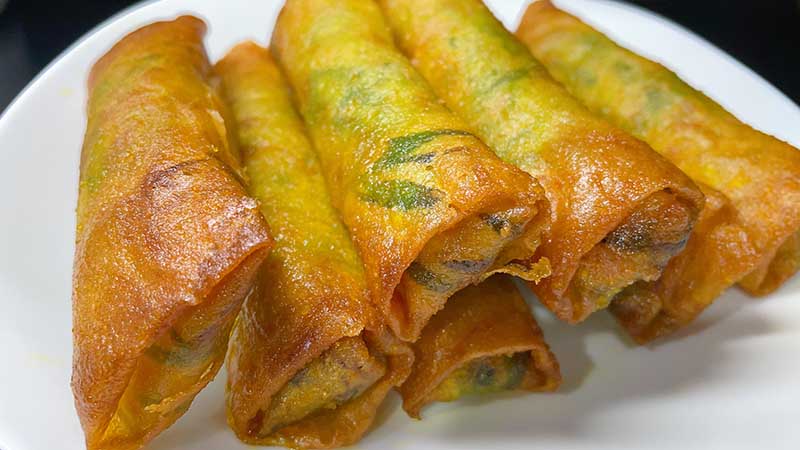
Spring Rolls: Crispy and golden, representing prosperity.
-
Longevity Noodles: Served uncut for a long life.
-
Tangerines and Mandarins: Symbols of luck and wealth.
Hotpot is a popular choice for its warmth and communal style, while eight treasure rice pudding rounds out dessert with sweet, auspicious ingredients.
Red Envelopes and Greetings
Red envelopes (hongbao) filled with crisp notes are given to children and unmarried relatives, symbolising good luck. Avoid the number 4 in amounts, and favour 6s and 8s. Common greetings include:
-
Xin nian kuai le: Happy New Year
-
Gong xi fa cai: Wishing you prosperity
-
Cantonese: Gong hei fat choy
Parades, Dragon and Lion Dances
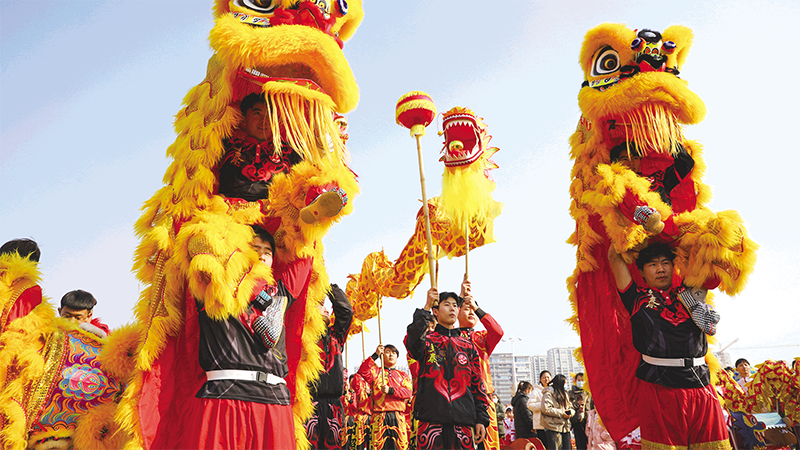
The streets come alive with dragon and lion dances, accompanied by thunderous drums and vibrant costumes. The dragon dance, often stretching dozens of metres, symbolises strength and good fortune, while the lion dance brings blessings to shops and homes.
Temple Fairs and Folk Arts
Temple fairs are a highlight, featuring folk performances, crafts, and street food. In cities like Beijing, Xi’an, and Suzhou, parks and historic sites transform into lively cultural hubs with shadow puppetry, drum troupes, and artisan stalls.
Chinese Lantern Festival
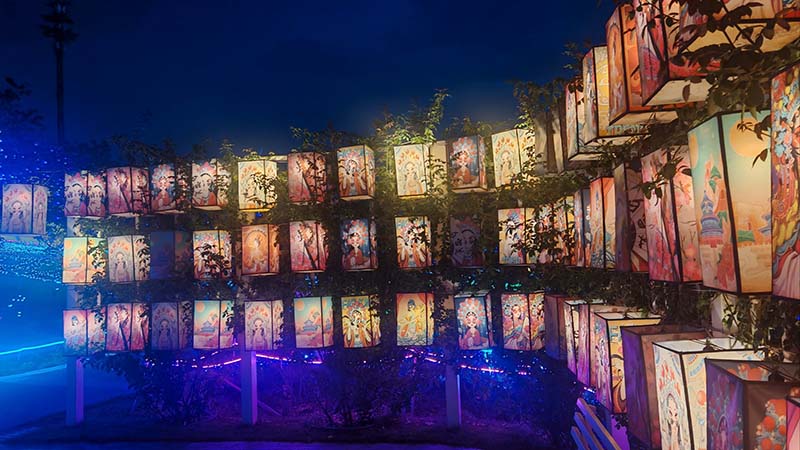
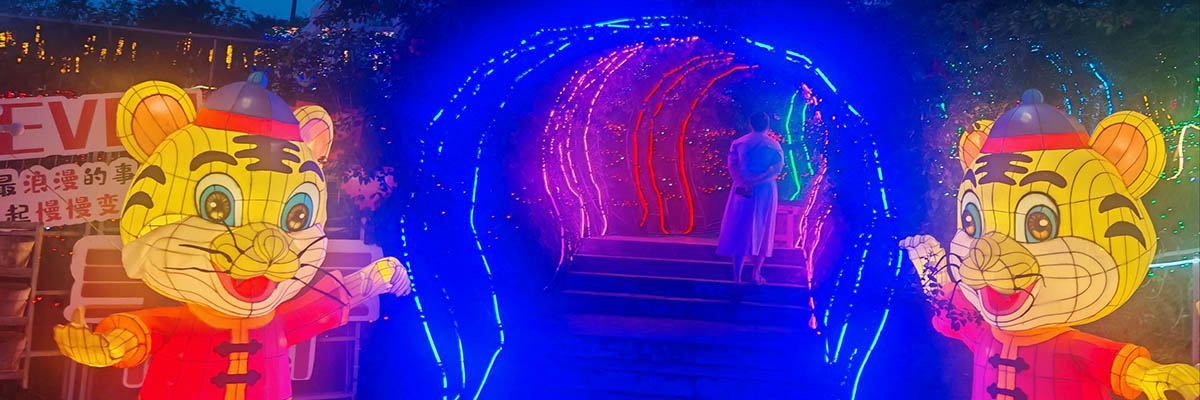
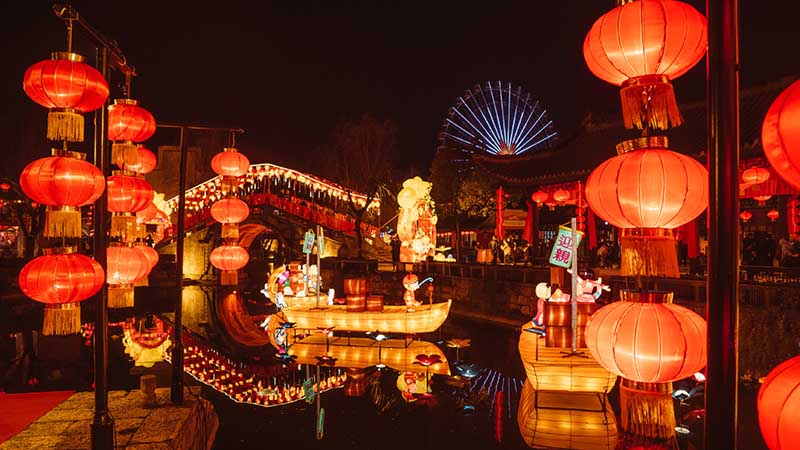
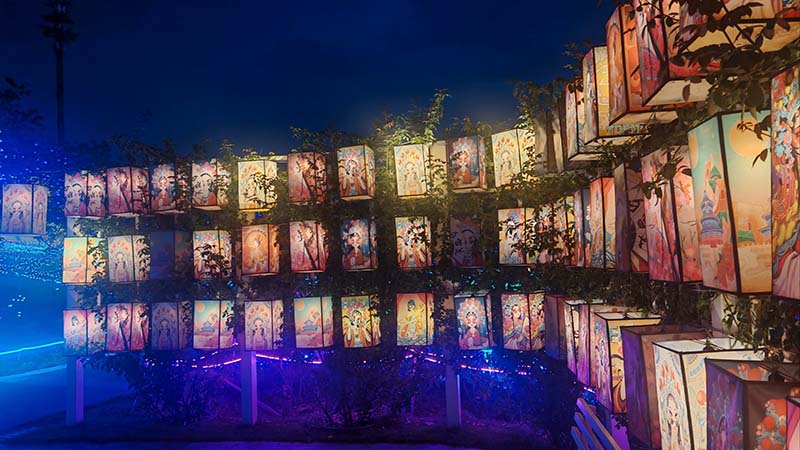
The festival concludes with the Lantern Festival on the fifteenth night. Streets and gardens glow with lantern displays, children carry hand lanterns, and families enjoy tangyuan—glutinous rice balls symbolising reunion. Lantern riddles and epic installations in cities like Shanghai, Nanjing, and Chengdu create a magical finale.
Etiquette and Practical Tips
-
Dress: Red and gold are festive; avoid too much white or black.
-
Gifts: Fruit, tea, and quality sweets are appreciated; avoid clocks and umbrellas.
-
Dining: Wait for elders to start, and be mindful of traditions around serving and eating.
-
Travel: Book trains and hotels early, especially in major cities. Consider mid-sized cities for a quieter experience.
Celebrate Chinese New Year with Three Bears Travel
Experiencing Chinese New Year in China is unforgettable, but the scale can be overwhelming for first-time visitors. Three Bears Travel offers expertly crafted trips that balance cultural immersion with comfort and convenience. Their local guides help you navigate the festivities, from hands-on dumpling workshops and lantern riddle nights to prime parade viewing spots and artisan tea tastings.
Why choose Three Bears Travel for Chinese New Year 2026?
-
Smart timing: Access markets and parades at the best times.
-
Cultural access: Participate in traditional workshops and local celebrations.
-
Flexible pacing: Enjoy a balance of guided events and free time.
-
Expert support: Bilingual guides handle logistics and provide insider tips.
-
Tailored experiences: Small-group and private options to suit your style.
Whether you want to explore Beijing’s temple fairs, marvel at Shanghai’s lantern displays, or discover southern flower markets, Three Bears Travel ensures your journey is seamless and memorable. Celebrate the Year of the Fire Horse with confidence, connection, and a true taste of Chinese culture.
Chinese New Year Traditions FAQ for Australian and New Zealand Travellers
Embarking on a journey to experience Chinese New Year 2026 offers a tapestry of vibrant traditions and cultural insights. If you’re visiting from Australia or New Zealand, these FAQs address the practicalities, etiquette, and highlights that matter most for an immersive and respectful adventure.
When is the best time to arrive in China for Chinese New Year 2026?
Arrive at least 3–5 days before New Year’s Eve (16 February) to enjoy the festive build-up, local markets, and pre-holiday excitement. Staying through the first week lets you experience reunion dinners, parades, and temple fairs.
Which cities are best for experiencing Chinese New Year?
Beijing, Shanghai, Guangzhou, and Xi’an are top choices for grand celebrations and cultural events. For a more relaxed pace, consider mid-sized cities like Suzhou or Quanzhou, where traditions are strong but crowds are lighter.
Will shops, restaurants, and attractions be open during the holiday?
Many shops and restaurants close for the first few days of the New Year, especially family-run businesses. Major attractions and large hotels generally remain open, but it’s wise to check ahead and make reservations where possible.
How do I get around during Chinese New Year?
Public transport and trains are extremely busy due to the world’s largest annual migration (Chunyun). Book tickets well in advance and allow extra time for travel. Ride-hailing apps and taxis are available in major cities, but expect longer waits.
What should I pack for the trip?
Pack warm layers for northern cities (thermals, coat, beanie) and lighter clothing for the south. Bring comfortable walking shoes, a portable battery, tissues, and a translation app. Having addresses written in Chinese is helpful for taxis.
Is it easy to find vegetarian or halal food during the festival?
Vegetarian options are available, especially in Buddhist temple areas and larger cities. Halal food can be found in Muslim quarters (e.g., Xi’an), but options may be limited during the holiday—plan ahead and ask your guide for recommendations.
Are there any cultural taboos or etiquette I should know?
-
Avoid gifting clocks, umbrellas, or sharp objects.
-
Don’t wear too much white or black to festive gatherings.
-
Always accept and give items (especially red envelopes) with both hands.
-
Wait for elders to start meals and follow your host’s lead.
Can I participate in local customs as a foreign visitor?
Absolutely! Locals welcome respectful participation. Try your hand at calligraphy, join lantern riddle games, and taste traditional foods. If invited to a family dinner, bring a small gift like fruit or quality tea.
What’s the best way to see dragon and lion dances?
Check local event schedules for parade times and locations. Arrive early for a good viewing spot, especially near bends in the route. Guided tours often secure access to the best vantage points.
How can I make the most of my Chinese New Year experience?
Travel with an experienced operator like Three Bears Travel. Their bilingual guides, insider access, and thoughtfully paced itineraries ensure you enjoy the most authentic, memorable, and stress-free festival possible.
Want more China travel itineraries? Click here!
If you have any other questions, feel free to click here and get in touch with us.
If you need a personalized travel plan, feel free to click here and let us help you.