Kyoto rewards travellers who time their visit with care. The city’s rhythm is set by cherries that blush in spring, cicadas that hum through summer, maples that flare in autumn, and quiet mornings in winter when temple tiles gleam after frost. With Three Bears Travel, you can shape an itinerary that fits the season you choose, then fine-tune it to your pace, interests, and budget.
Kyoto Travel by Season: Best Times and Experiences
Kyoto’s calendar is dense with festival days, fleeting natural colour, and centuries-old rituals that still set the tone of daily life. There is no single perfect month for everyone. There are, however, clear sweet spots depending on what you want to see and how you like to travel.
A quick snapshot helps frame the decision.
|
Season |
Typical Months |
Weather |
Crowds |
What shines |
Budget feel |
|
Spring |
late Mar to May |
Mild, 10 to 22°C, low humidity |
High during cherry blossoms |
Kiyomizu-dera Temple sakura views, riverside hanami, tea ceremonies with fresh seasonal flowers |
Mid to high |
|
Summer |
Jun to Aug |
Hot and humid, 25 to 35°C, rainy spell late Jun to mid Jul |
High in July festival weeks |
Arashiyama Bamboo Grove at sunrise, Gion Matsuri, evening riverside dining |
Mid |
|
Autumn |
late Oct to early Dec |
Cool, 12 to 22°C, crisp air |
Very high in peak foliage mid Nov |
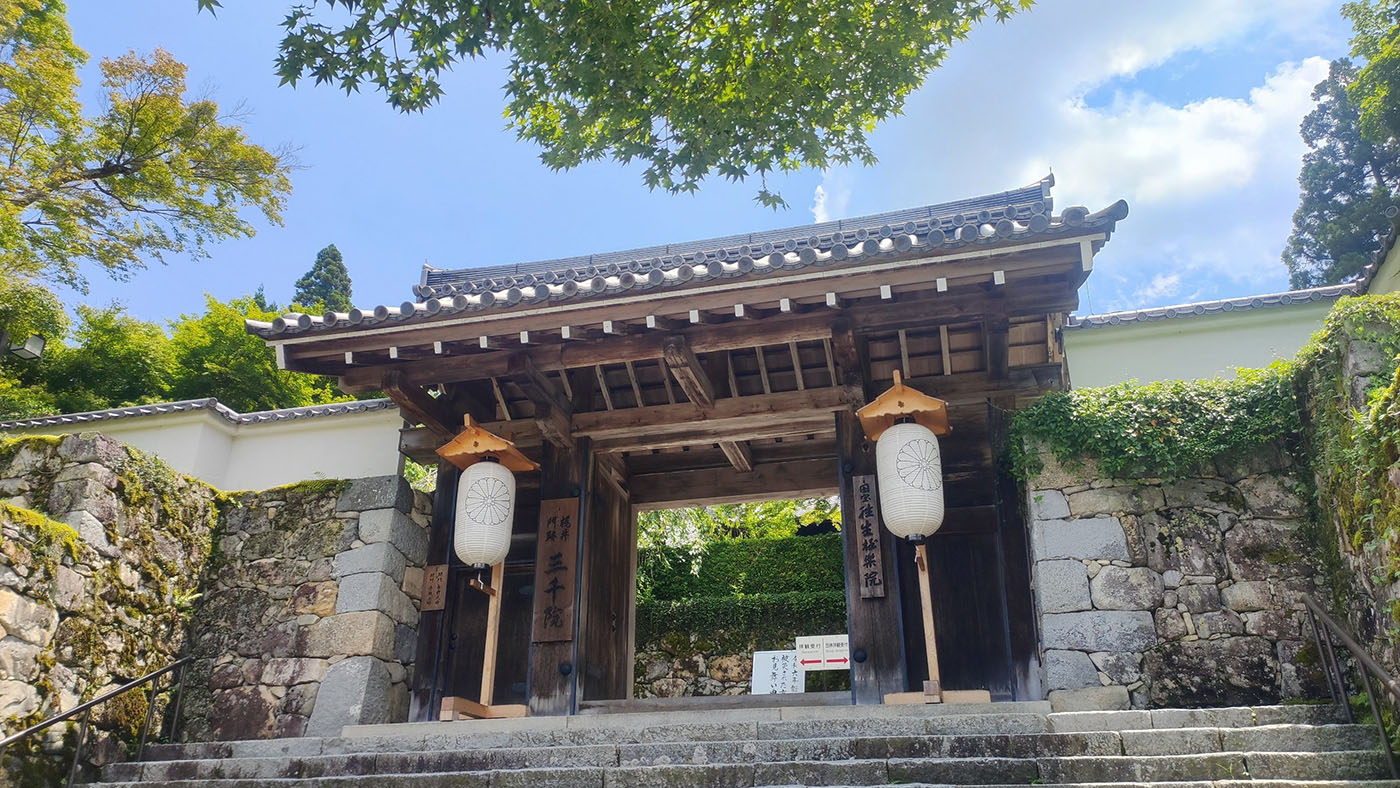
Maple displays at Sanzen-in Temple, Tenryu-ji Temple Kyoto gardens, night illuminations |
High |
|
Winter |
Dec to Feb |
Cold, 1 to 10°C, occasional snow |
Low outside New Year week |
Kinkaku-ji (Golden Pavilion Kyoto) dusted with snow, quiet temples, steaming bowls of noodles |
Lower |
Below, each season in detail, with places and moments that define it.
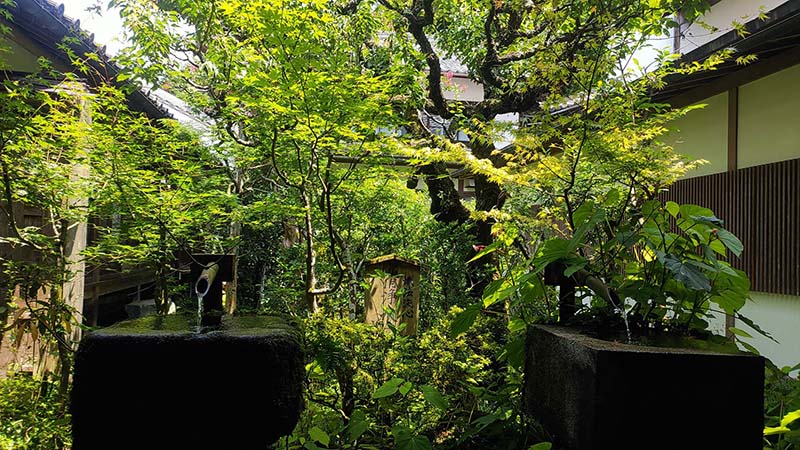
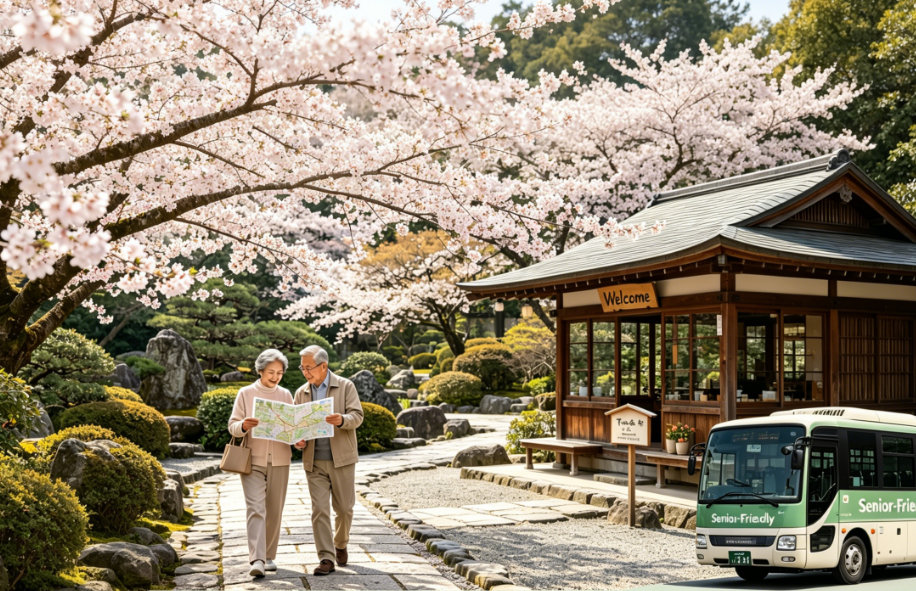
Spring in Kyoto: Best Time to See Cherry Blossoms
As winter fades, Kyoto awakens with mild temperatures and a sense of anticipation. Days are crisp and fresh, with temperatures ranging from 8°C to 18°C. The city’s parks and temples fill with visitors eager to witness the fleeting beauty of cherry blossoms, making this one of the most popular and crowded times to visit Kyoto.
Highlights
-
Kiyomizu-dera Temple: Panoramic sakura views from the hillside veranda.
-
Ninenzaka & Sannenzaka Streets: Wooden facades, stone steps, and tea houses framed by cherry blossoms.
-
Kyoto Tea Ceremony Experience: Seasonal floral arrangements and spring-inspired sweets.
Practical Tips
-
Arrive early to popular spots to avoid crowds.
-
Plan flexible routes—try the Philosopher’s Path at dawn or detour to quiet local shrines.
-
Book accommodations 3–6 months ahead, especially during peak bloom.
Family-Friendly Options
-
Enjoy a bento picnic under cherry trees in Maruyama Park.
-
Take short detours to neighbourhood shrines for a peaceful family outing.
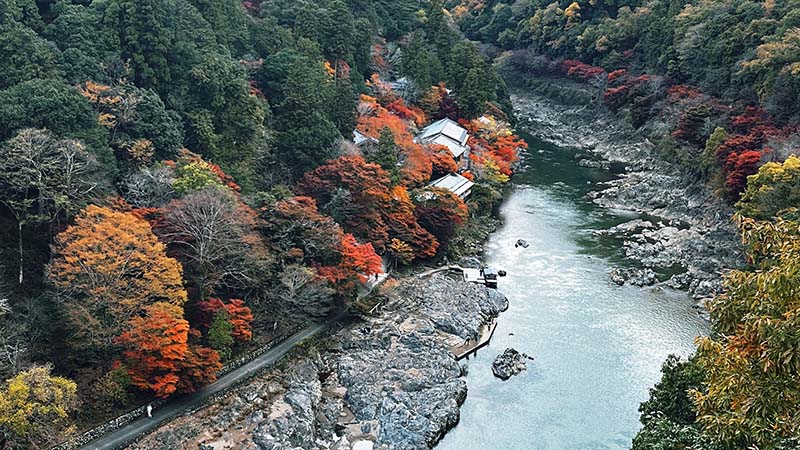
Summer in Kyoto: Arashiyama, Bamboo Grove & Gion Matsuri
Summer in Kyoto is hot and humid, with temperatures often soaring between 22°C and 35°C. The city buzzes with energy, especially during festival season, but midday heat and humidity can thin out crowds at outdoor attractions. Early mornings and evenings are more comfortable and lively, while afternoons are best spent indoors or in shaded gardens.
Highlights
-
Arashiyama Bamboo Grove: Tranquil dawn walks through towering bamboo.
-
Tenryu-ji Temple: Shaded gardens and reflective ponds.
-
Hozu River Boat Rides: Scenic journeys through forested banks.
-
Gion Matsuri: Kyoto’s iconic summer festival with floats and local celebrations.
Practical Tips
-
Start temple visits before 8 am; take indoor breaks from 11 am to 3 pm.
-
Stay hydrated, wear light clothing, and use sun protection.
-
Reserve air-conditioned restaurants for lunch or dinner.
-
Prepare for the rainy season (late June–mid July) with a foldable umbrella.
Family-Friendly Options
-
Visit the Kyoto Samurai Ninja Museum for interactive, hands-on activities, and discover other local attractions nearby.
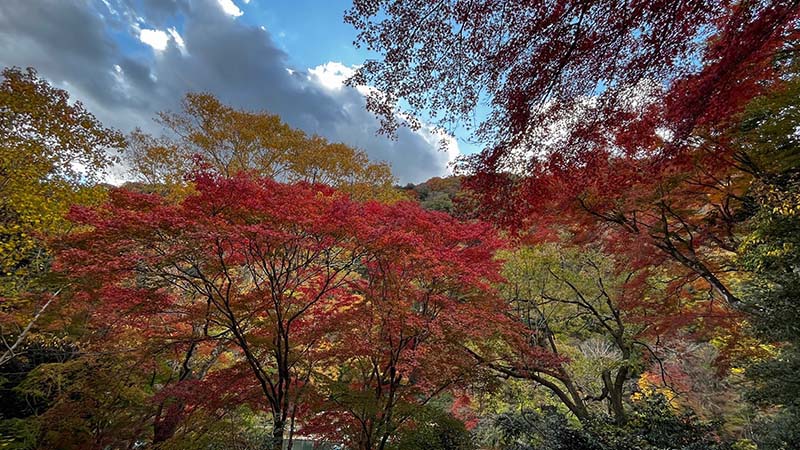
Autumn in Kyoto: Maple Leaves & Night Illuminations
Autumn brings crisp air and comfortable temperatures, typically ranging from 10°C to 22°C. As the maple leaves turn vibrant red and gold, Kyoto experiences another surge in visitors, especially in November when the foliage peaks. Popular sites can be crowded, but the atmosphere is festive and the scenery is breathtaking.
Highlights
-
Sanzen-in Temple, Tenryu-ji Temple, Kiyomizu-dera Temple: Spectacular autumn foliage.
-
Ninenzaka & Sannenzaka Streets: Seasonal treats and vibrant maple-lined paths.
-
Nishiki Market: Autumn specialties—chestnuts, matsutake mushrooms, yudofu.
-
Evening Strolls: Gion District’s lantern-lit streets and limited-entry night garden illuminations.
Practical Tips
-
Visit midweek (Tuesday–Thursday) for fewer crowds.
-
Book early entry slots and explore secondary highlights like Konkai Komyoji.
-
Use a split day strategy: sunrise outings and after-dark sightseeing, with a restful lunch break.
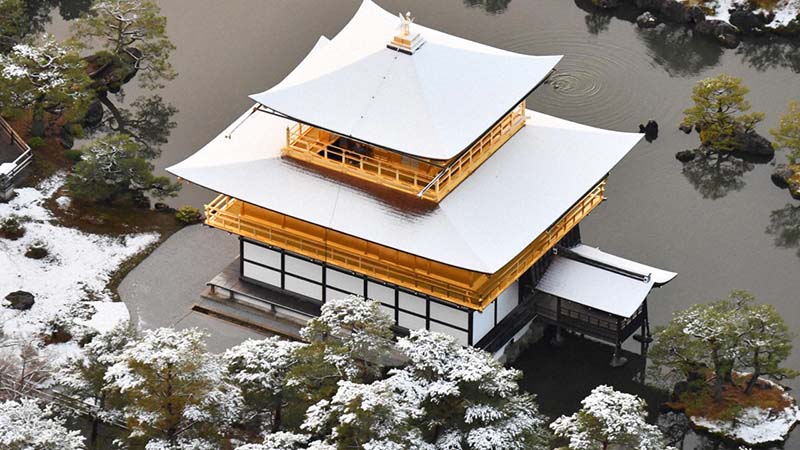
Winter in Kyoto: Golden Pavilion & Quiet Temples
Winter in Kyoto is serene and peaceful, with temperatures ranging from 1°C to 10°C. The city sees fewer tourists, offering a tranquil atmosphere and the chance to enjoy temples and gardens in relative solitude. Occasional snowfall adds a magical touch, especially in the early mornings.
Highlights
-
Kinkaku-ji (Golden Pavilion): Stunning after a fresh snowfall.
-
Nanzenji Temple: Peaceful winter walks and striking aqueduct views.
-
Kyoto Tea Ceremony Experience: Warm teas with red bean and roasted flavours.
-
Year-End Pop-Ups & Hatsumode: Festive markets and New Year shrine visits.
Practical Tips
-
Dress in layers, with gloves and warm socks for chilly mornings and timber floors.
-
Take advantage of shorter daylight hours by planning indoor galleries for late afternoon.
-
Enjoy easier restaurant bookings, explore the local attractions, and lower travel costs compared to peak seasons.
Choosing your perfect time
Different travellers prioritise different things, such as festivals or seasonal attractions. Pick your month by what matters to you most.
-
Cherries at their peak: late March to early April, with a few days of slippage either side
-
Autumn colour at full strength: mid to late November, sometimes early December in cooler years
-
Lower prices and space to breathe: mid January to early March, apart from New Year week
-
Summer festivals and lively streets: July for Gion Matsuri, plus evening dining along the river
-
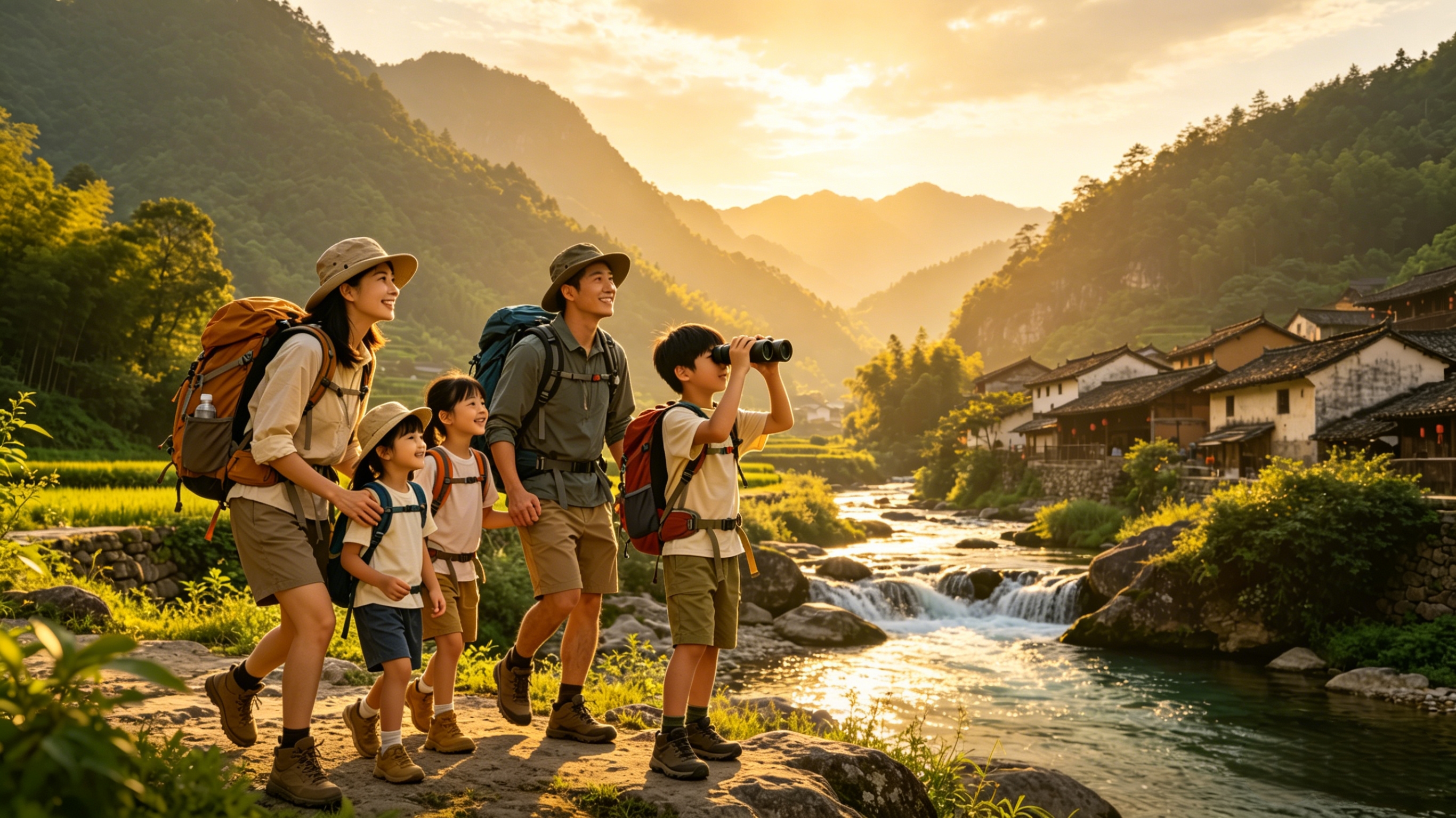
Family-friendly pacing: late May or late October, mild weather with fewer extremes
-
Photography in calm light: winter weekdays, or early mornings across all seasons
Three Bears Travel can stitch a plan that locks in timed entries, a tea ceremony on a day that suits your flow, and a mix of headline sights with quieter alternatives.
Essential Local Attractions linked to the seasons
Some places sing year round. Others hit a high in certain months. Use this as a guide when you sketch days.
-
Kiyomizu-dera Temple: sakura framing the veranda in spring, dramatic night views in autumn
-
Ninenzaka & Sannenzaka Streets: traditional shopfronts, seasonal sweets, great in spring and autumn
-
Kyoto Tea Ceremony Experience: floral themes in spring, warming rituals in winter
-
Arashiyama Bamboo Grove: best at dawn in summer or autumn mornings
-
Monkey Park Iwatayama Kyoto: clear views in summer and autumn
-
Tenryu-ji Temple Kyoto: reflective pond garden, maple show in November
-
Sanzen-in Temple: peak autumn colour in Ohara’s cooler microclimate
-
Nishiki Market Kyoto: seasonal produce, from spring bamboo shoots to autumn chestnuts
-
Gion District Kyoto: evening strolls year round, atmospheric after light rain
-
Kinkaku-ji (Golden Pavilion Kyoto): bright winter mornings and snow days
-
Kyoto Samurai Ninja Museum: climate-proof and engaging for kids
Planning tips that save time and stress
A few smart habits keep your days smooth, no matter when you arrive.
-
Book smart: secure stays near a transport hub for quick starts, and add at least one night in Arashiyama if you want sunrise at the bamboo grove without a long commute
-
Move early: visit the headline temple at opening, then shift to smaller precincts as crowds rise
-
Hold a buffer: leave one flexible half day to react to weather, bloom reports, or fatigue
-
Respect pace: temples are working religious places; speak softly, dress modestly, and keep tripods packed unless signs say otherwise
-
Pack well: compact umbrella, slip-on shoes for quick entry to tatami rooms, and a light scarf for breezy halls
-
Tickets and passes: some temples and illuminations sell date-specific tickets; Three Bears Travel can sort these and trim queue time
Kyoto rewards patience and attention to small details. A simple bowl of noodles at the right hour, the sound of water in a stone basin, or a side alley that most people rush past. With the season on your side, those moments come easily.
Want more Japan travel itineraries? Click here
If you have any other questions, feel free to click here and get in touch with us.
If you need a personalized travel plan, feel free to click here and let us help you.