Imagine wandering through a bustling Shanghai lane at sunrise, the tantalising aroma of freshly steamed dumplings mingling with the distant clang of a wok. You might be nudged gently by old grannies slurping hand-pulled noodles nearby, or catch sight of a vendor ladling spicy broth into a bowl for a waiting cyclist. This is China: big, bold, and brimming with flavour.
Chinese cuisine is as vast and varied as its landscape. Its dishes don’t just fill your belly — they connect you to thousands of years of tradition, reveal local histories, and invite you to join old friends at the table. If you want to dive into China’s culture, nothing brings you closer to its heart than its food.
Every trip to China is richer when you know what to eat — and where. Here’s a look at twenty dishes every food lover needs to experience in 2026, whether you’re a curious visitor, a returning expat, or someone who’s tasted a few Chinese classics and is ready for much, much more.
Exploring Regional Specialties: A Taste of China's Diverse Cuisine
China’s culinary landscape is famously diverse, with 9 major regional cuisines shaping its rich food culture: Cantonese, Sichuan, Jiangsu, Zhejiang, Fujian, Hunan, Anhui, Shandong, and Beijing cuisines. Each cuisine offers distinct flavors, ingredients, and cooking techniques, making your journey through China a true gastronomic adventure.
Stepping outside your hotel, it might be tempting to play it safe with familiar favourites. But the real treasures are waiting in local hotpots, behind steamy restaurant windows, and at street stalls humming with life.
When you travel to different regions in China, locals have their own favourites to recommend.
Cantonese Cuisine (Guangzhou & Southern China)
-
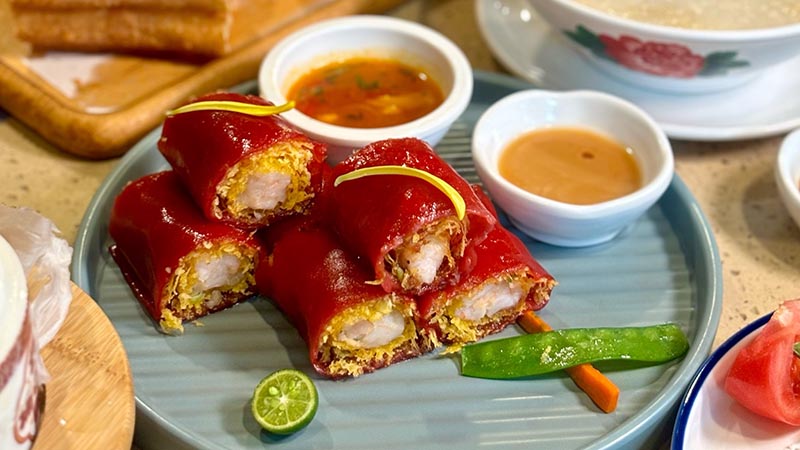
Dim Sum – Originating from the Cantonese tradition of “yum cha” (drinking tea), dim sum was designed as a social meal to accompany tea in bustling tea houses. Each bite-sized dumpling, bun, or sticky rice parcel is meticulously crafted, often by hand, to showcase delicate flavors and textures. Families, friends, and business people gather in the mornings to share baskets of dim sum, making it a beloved ritual for all ages, especially those who appreciate variety and subtlety in their food.
-
Sweet and Sour Pork – Developed to balance the palate with both tangy and sweet notes, this dish features crispy pork pieces coated in a glossy sauce made from vinegar, sugar, and often pineapple. Chefs carefully fry the pork to achieve a crunchy exterior before tossing it in the vibrant sauce. Sweet and Sour Pork is especially popular among younger diners and those new to Chinese cuisine, thanks to its approachable flavors and eye-catching presentation.
-
Steamed Fish with Soy Sauce – Designed to highlight the freshness of local seafood, this dish involves steaming a whole fish until just cooked, then drizzling it with a light soy sauce infused with ginger and spring onions. The method preserves the fish’s natural sweetness and tenderness. It’s a favorite at family banquets and festive occasions, particularly among those who value clean, natural flavors and a healthy approach to dining.
-
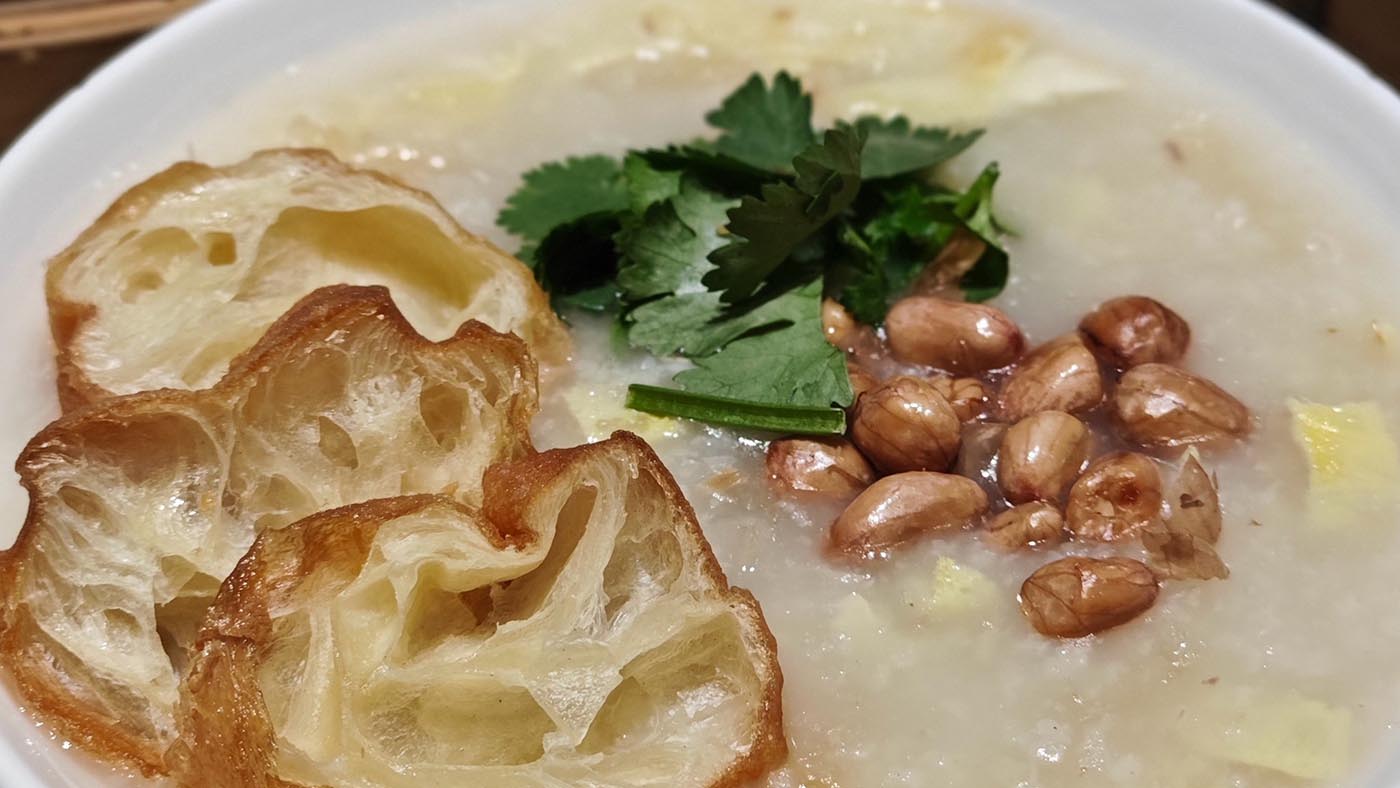
Congee with Century Egg – Congee, a rice porridge, has ancient roots as a nourishing breakfast or comfort food. The addition of century egg and pork brings a unique umami depth and creamy texture. The eggs, preserved for weeks or months, lend a distinctive flavor that appeals to adventurous eaters and those seeking a soothing, warming meal, especially during colder months or for breakfast.
Sichuan Cuisine (Chongqing & Sichuan)
-
Mapo Tofu – Created in the late 19th century by a Chengdu innkeeper, Mapo Tofu is renowned for its bold, numbing heat from Sichuan peppercorns and chili oil. Silky tofu cubes are simmered with ground pork or beef, resulting in a dish that’s both spicy and deeply savory. It’s a staple for spice lovers and anyone eager to experience the signature “mala” (numbing and spicy) sensation of Sichuan cuisine.
-
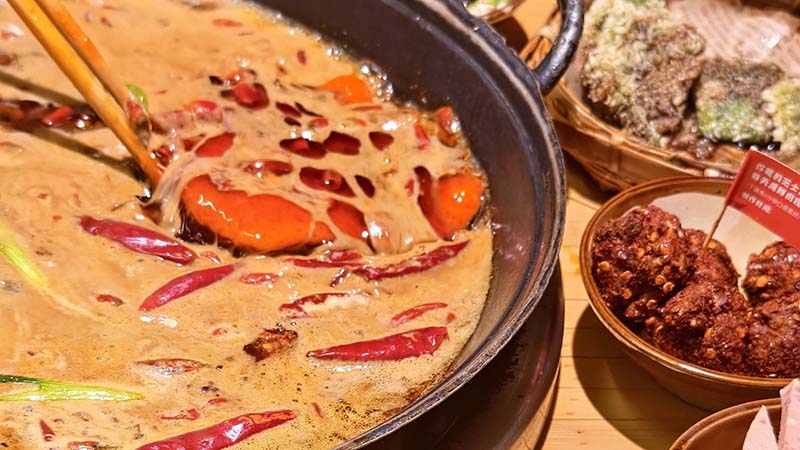
Sichuan Hot Pot – Designed as a communal dining experience, Sichuan hot pot features a bubbling, chili-laden broth in which diners cook thinly sliced meats, tofu, and vegetables. The interactive nature of hot pot makes it a favorite for gatherings of friends and families, especially those who enjoy bold flavors and the thrill of customizing their meal with a variety of dipping sauces and ingredients.
-
Kung Pao Chicken – This iconic dish was crafted to balance spicy, sweet, and savory notes, with diced chicken, roasted peanuts, and fiery chilies stir-fried in a tangy sauce. The combination of textures and flavors appeals to a wide range of diners, from spice enthusiasts to those who enjoy a hint of sweetness in their savory dishes.
-
Ma La Tang – Inspired by the street food culture of Sichuan, Ma La Tang allows diners to select their own skewered ingredients, which are then cooked in a spicy, numbing broth. The dish is popular among students and young professionals seeking quick, customizable, and intensely flavored meals on the go.
-
Sichuan Twice-Cooked Pork – Originating from rural Sichuan, this dish involves simmering pork belly before stir-frying it with chili bean paste and leeks. The two-step cooking process ensures tender meat and rich, layered flavors. It’s a favorite among those who appreciate hearty, robust dishes with a pronounced spicy kick.
Shanghai & East China Cuisine
-
Xiaolongbao (Soup Dumplings) – Invented in the Jiangnan region, Xiaolongbao are delicate dumplings filled with seasoned pork and a burst of savory broth, achieved by wrapping gelatinized stock that melts during steaming. Making them requires skillful folding and thin dough. These dumplings are beloved by foodies and anyone who enjoys interactive, hands-on eating experiences.
-
Scallion Pancakes – A classic street snack, scallion pancakes are made by layering dough with chopped scallions and oil, then pan-frying until crispy and flaky. Their savory aroma and satisfying crunch make them a popular breakfast or snack for busy commuters and children alike.
-
Beggar’s Chicken (Hangzhou) – Legend has it that this dish was invented by a beggar who wrapped a stolen chicken in lotus leaves and clay to cook it secretly. Today, the chicken is marinated, wrapped, and slow-baked, resulting in tender, aromatic meat. It’s a festive dish, often enjoyed by families and those who appreciate culinary storytelling and tradition.
-
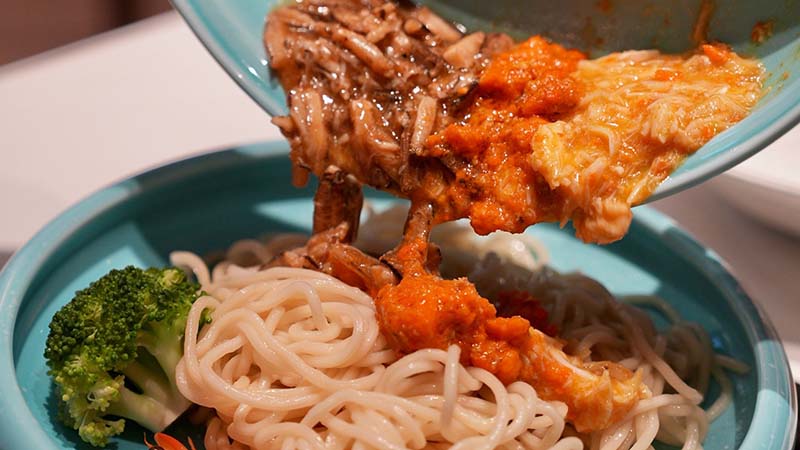
Shaoxing Yellow Wine Chicken (Zhejiang) – This dish showcases the region’s famous Shaoxing rice wine, which imparts a floral, slightly sweet aroma to tender chicken. The careful balance of flavors appeals to gourmets and those who enjoy nuanced, aromatic dishes.
Xi’an & Northwest China
-
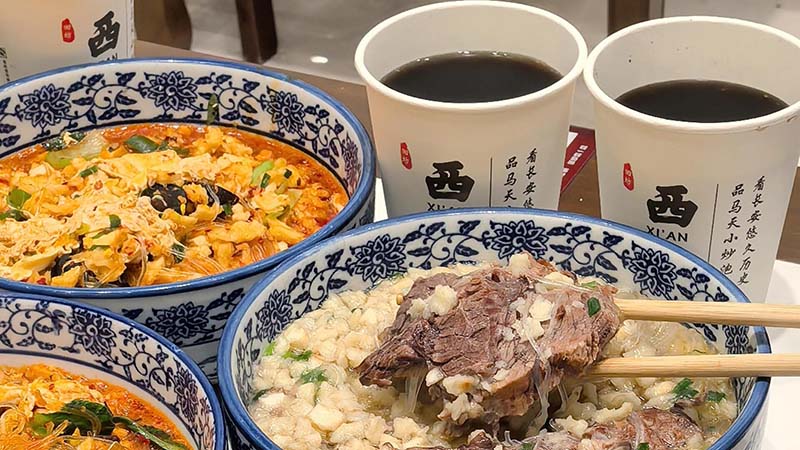
Biang Biang Noodles – Named for the sound made while slapping the dough against the counter, these wide, hand-pulled noodles are tossed with chili oil, garlic, and greens. The hearty, spicy flavors and chewy texture make them a favorite among students, travelers, and anyone craving a filling, rustic meal.
-
Roujiamo – Often called China’s hamburger, Roujiamo features slow-braised meat stuffed in a crisp, flaky flatbread. Originally a street food for workers, it’s now enjoyed by all ages, especially those seeking a satisfying, portable snack.
-
Lanzhou Hand-Pulled Noodles – Developed by the Hui Muslim community, these noodles are made fresh to order, pulled by hand, and served in a clear beef broth with chili oil and spring onion. The dish is prized for its chewy texture and clean flavors, attracting noodle lovers and those who appreciate culinary craftsmanship.
Northern China
-
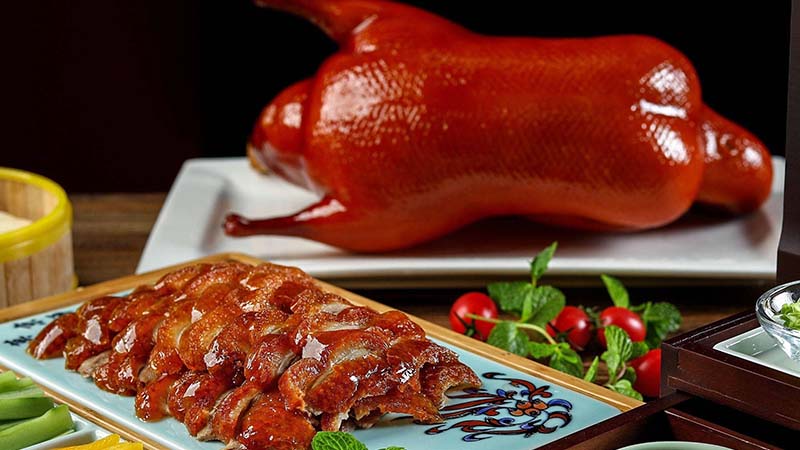
Peking Duck (Beijing) – Dating back to the imperial era, Peking Duck is celebrated for its crispy skin and succulent meat, carved tableside and served with pancakes, cucumber, and hoisin sauce. The elaborate preparation and presentation make it a must-try for gourmets, special occasions, and anyone seeking a taste of Chinese culinary history.
-
Dumplings (Jiaozi) – With roots in ancient Chinese medicine, dumplings were designed to resemble ancient gold ingots, symbolizing wealth and good fortune. Filled with minced pork and cabbage, they are a staple at family gatherings, especially during Lunar New Year, and are loved by all generations for their comforting, familiar taste.
Vegetarian & Temple Specialties
-
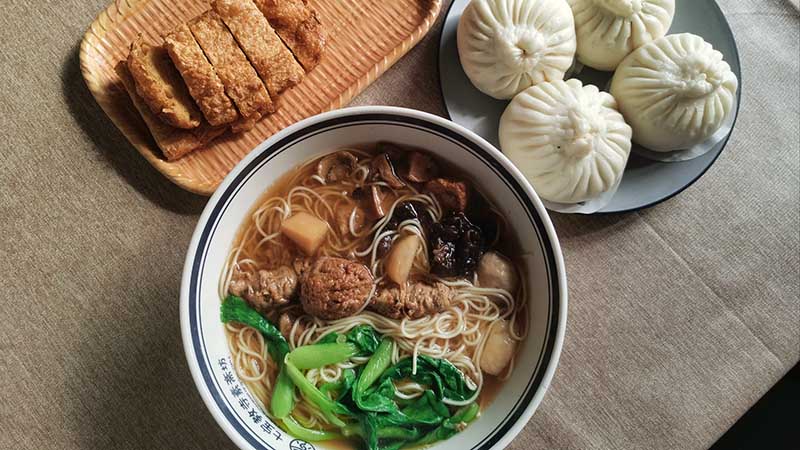
Vegetarian Buddha’s Delight (Luohan Zhai) – Created by Buddhist monks, this dish features mushrooms, tofu, and seasonal vegetables, prepared to highlight natural umami flavors without meat. It’s especially popular during festivals and among vegetarians or those seeking a lighter, wholesome meal.
Festive & Regional Snacks
-
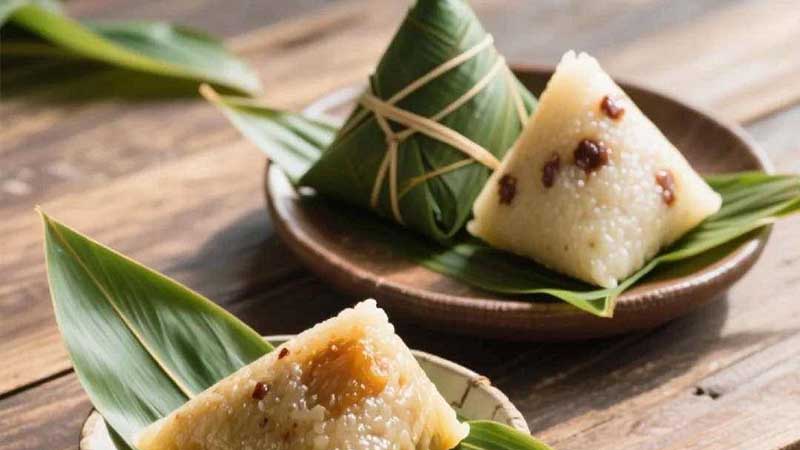
Zongzi (Sticky Rice Dumplings) – Traditionally made for the Dragon Boat Festival, Zongzi are glutinous rice parcels wrapped in bamboo leaves and filled with savory or sweet ingredients. The dish is tied to ancient legends and is enjoyed by families and festival-goers, especially those who appreciate tradition and festive flavors.
Food Tours: Local Wisdom Makes All the Difference
Arriving in each city, you could wander and hope for the magic — or you could take direction from locals who know the best-kept secrets. Food tours like those offered by knowledgable guides from outfits such as Three Bears Travel can open doors otherwise closed to outsiders.
Here’s what having a local on your side adds to the table:
-
Local expertise: Guides who know where to find authentic Chinese food in each city.
-
Regional diversity: From Sichuan food to Cantonese food, Xi’an food to Shanghai food, you’ll taste the best of every cuisine.
-
Cultural stories: Learn the legends and history behind traditional Chinese food.
-
Immersive experiences: Walk through local markets, street stalls, and family-owned restaurants that tourists rarely find.
Whether you’re passionate about spicy Sichuan flavors, the refinement of Cantonese food, or the rich traditions of Xi’an food, a Three Bears Travel local food tour will turn your trip into a true feast for the senses. Please enjoy the authentic tastes with local guides.
The only question left is: which tradition will you sample first? Grab your chopsticks, bring your curiosity, and let the adventure begin.
FAQ: Top 20 Must-Try Traditional Chinese Foods in 2026: A Culinary Journey Across China
Traveling through China’s vibrant food scene is exciting, but Western visitors often have practical questions about dining habits, ingredients, and how to make the most of every meal. Here are answers to the most common questions from international travelers:
Are there options for people with food allergies?
Many traditional Chinese dishes contain common allergens like peanuts, soy, shellfish, and gluten. Always inform your guide or restaurant staff about your allergies—most reputable places can recommend safe options or adjust dishes when possible.
Is Chinese food always spicy?
Not at all! While Sichuan and Hunan cuisines are famous for their heat, many regions—like Cantonese, Shanghai, and Beijing—offer mild, delicate flavors. Let your server know if you prefer less spice; most restaurants are happy to accommodate.
Do people in China share dishes or order individually?
Chinese dining is typically communal. Dishes are ordered for the table and shared, allowing everyone to taste a variety of flavors. If you prefer your own plate, let your guide or server know, but sharing is the norm and part of the experience.
Are vegetarian or vegan options available?
Yes, especially in Buddhist or temple cuisine. Dishes like Buddha’s Delight, vegetable dumplings, and stir-fried greens are widely available. Always specify your dietary needs, as some broths or sauces may contain animal products.
How do I avoid ingredients I can’t eat (e.g., pork, shellfish, gluten)?
Communicate your dietary restrictions clearly to your guide or server. Many menus now have English translations and ingredient lists, especially in major cities. Guides can help you find suitable dishes and explain what’s in them.
Is it safe to eat street food?
Street food is a highlight of Chinese cuisine, but choose busy stalls with high turnover and freshly cooked food. Guided food tours are a great way to safely enjoy authentic street snacks.
How do I order if I don’t speak Chinese?
In tourist areas and major cities, many restaurants have picture menus or English translations. Pointing to dishes or using translation apps is common. Food tours with local guides make ordering easy and stress-free.
Can I find gluten-free or dairy-free options?
Gluten is common in soy sauce, noodles, and dumplings, but rice-based dishes and some stir-fries are naturally gluten-free. Dairy is rarely used in traditional Chinese cuisine, making it easier for those with lactose intolerance.
What if I don’t like chopsticks?
Most restaurants can provide forks and spoons if you ask. Don’t hesitate to request Western utensils if you’re more comfortable with them.
Is tipping expected in Chinese restaurants?
Tipping is not a traditional practice in China, but it’s becoming more common in tourist areas and high-end establishments. It’s always appreciated but not required.
If you have specific dietary needs or preferences, let your guide or restaurant know—they’re used to helping international guests enjoy the best of Chinese cuisine safely and comfortably.
Want more China travel itineraries? Click here!
If you have any other questions, feel free to click here and get in touch with us.
If you need a personalized travel plan, feel free to click here and let us help you.